Practical advice
Why birds are not using your nest box
Check species fit, entrance, exposure, disturbance, competition and timing before moving or replacing an unused bird box.
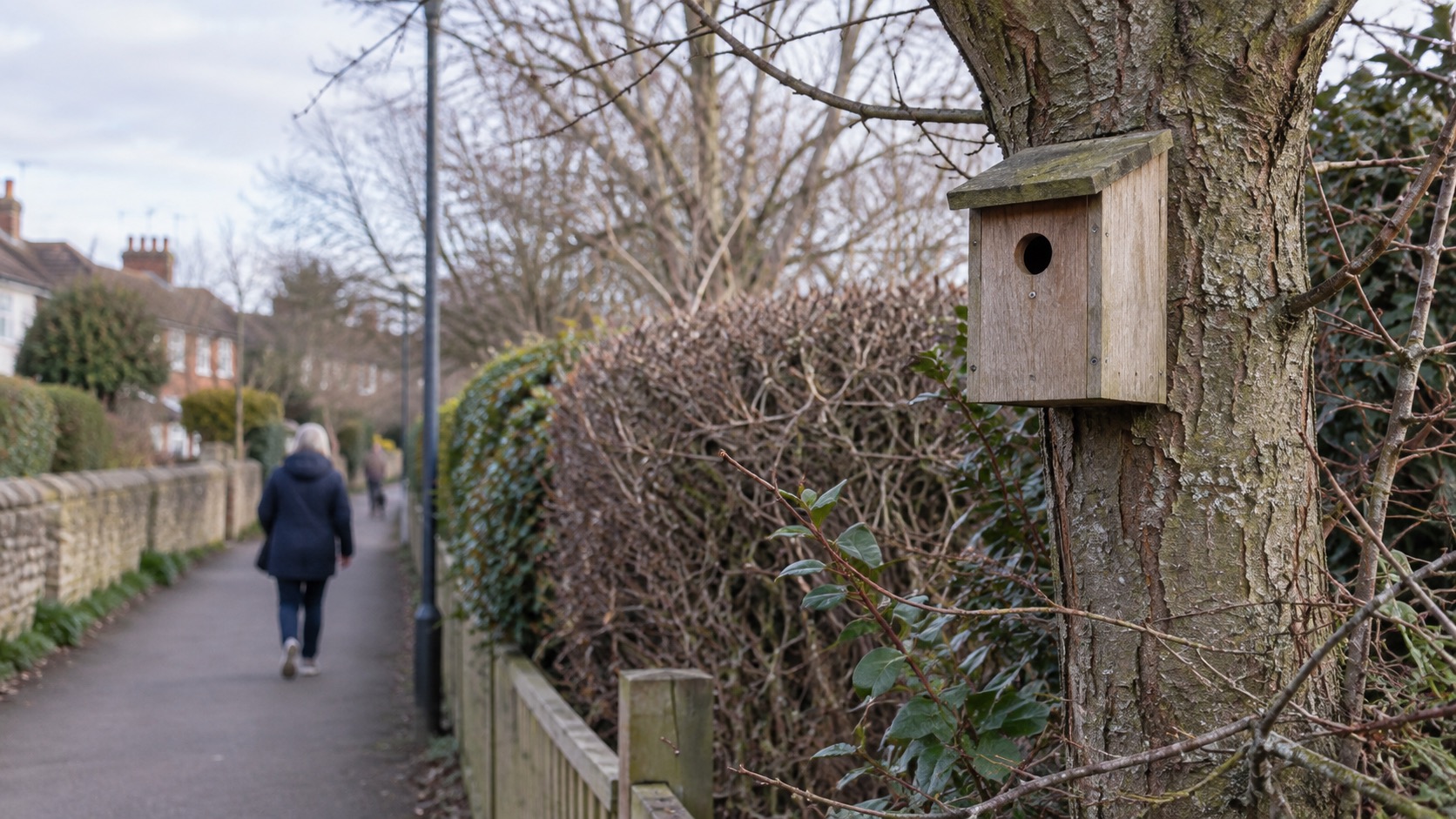
Birds may not be using your nest box because the design does not suit local species, the position is too hot or exposed, the entrance is hard to approach, or the location is busy. They may also have better natural sites. One empty season is not a verdict: some boxes take time to be discovered.
First, is the box really unused?
Look from a distance for repeated visits, material carried in, adult birds entering or food deliveries. Do not open the box to find out. An apparently quiet nest can still be active, and opening it risks disturbance and may breach legal protection.
If you cannot establish that a box is empty, leave it alone. Review it after the breeding season. The BTO's positioning guidance notes that birds inspect boxes and that placement matters; a bird looking briefly at a hole does not mean a nest has failed.
Does the opening match birds in your garden?
A robin is unlikely to use a standard round-hole tit box. A blue tit may face more competition in a 32mm box than a smaller entrance. A starling needs a larger chamber and opening; a swift needs a specialist high-wall design.
Identify the birds that actually visit before shopping. Use our garden-bird species hub and hole-size guide to compare their needs. A box marketed for “all wild birds” is rarely genuinely universal.
Is the position sheltered without being blocked?
Watch how the sun and rain reach the box. Strong afternoon sun can overheat an exposed wall; persistent rain through the entrance can leave a damp chamber. A north- or east-facing location is often useful in Britain, but nearby shade and prevailing wind can change the answer.
Look at the flight path too. Thick foliage may hide an open-front robin box effectively, yet branches pressing across the entrance can make access awkward. A hole-front box should not have a large branch directly below the opening. The placement guide walks through these checks.
Are people or predators too close?
A box beside a back door, frequently used path or feeder may receive more disturbance than birds will tolerate. Feeders also bring crowds and spilled food that can attract cats, squirrels and corvids. Move feeding activity away from the nest site rather than adding deterrents directly to an occupied box.
Check whether a cat can jump from a fence, roof or horizontal branch. A high box is not automatically safe if the access route is easy. Any changes to nearby vegetation or mountings should wait until you know the box is empty.
Is the box itself sound?
Outside the nesting period, inspect for leaks, loose fixings, blocked drainage, thin walls, a stuck lid or an external perch. The BTO recommends insulating wood or woodcrete and at least 15mm timber walls on wooden boxes. A sound box should be stable rather than swinging in wind.
Do not add bedding, cotton wool or food inside in an attempt to persuade birds. Most species build their own nest. Our wood versus woodcrete guide explains material trade-offs; replacing the material alone will not correct a poor site.
When should you move or change it?
Only after you have established that no nest is active. Autumn and winter are generally convenient for repairs and repositioning, but some birds may use boxes for roosting. Check carefully before opening and follow the current legal guidance for your UK jurisdiction.
Change one important factor at a time—such as moving a sun-baked box into shade—rather than buying several new models immediately. Keep notes on the new position and allow a full season before judging. Our timing guide and cleaning guide cover the safe work window.
Frequently asked questions
Should I put food next to the nest box?
No. A nearby feeder usually increases traffic and potential predator attention. Keep feeding and nesting locations separate.
Will birds use a box with an old nest inside?
Some species may return, but an old nest can also retain parasites or damp. Follow species-specific guidance and clean conventional boxes only when lawful and certainly empty; never remove an active nest.
Can I enlarge the hole?
Only on an empty box and after checking that the chamber, wall and intended species make the change sensible. A specialist replacement may be safer than cutting a thin or damaged box.
Helpful products
Only replace a box when the design is wrong
A convertible box can solve a genuine entrance-style mismatch on an empty site. It cannot solve unsuitable cover, unsafe fixings or a lack of birds nearby.
Supa multi-purpose wooden nest box
Best for: Changing an empty box to the entrance style your target species uses
A wooden box whose removable front panel changes it from a hole-fronted box to an open-fronted format, with a small base gap and cleaning access.
Best adaptable box. Drawback: changing the front is an off-season job and the selected format must match the intended species before occupation.